
Microdosing, taking a small fraction of a typical psychedelic dose, has moved from online forums into university labs. Interest is high, but the honest picture is more nuanced than the headlines. This article summarises what published research suggests about neuroplasticity, mood and focus, where the evidence is thin, and how people approach microdosing mindfully.
What is a microdose?
A microdose is generally described as roughly 5 to 10 percent of a recreational dose, small enough that it should not cause obvious perceptual changes. For dried Psilocybe cubensis, community guidance usually falls around 0.1 to 0.3 grams, though potency varies by batch, which is why precisely measured capsules are popular.
Neuroplasticity and BDNF: the biology
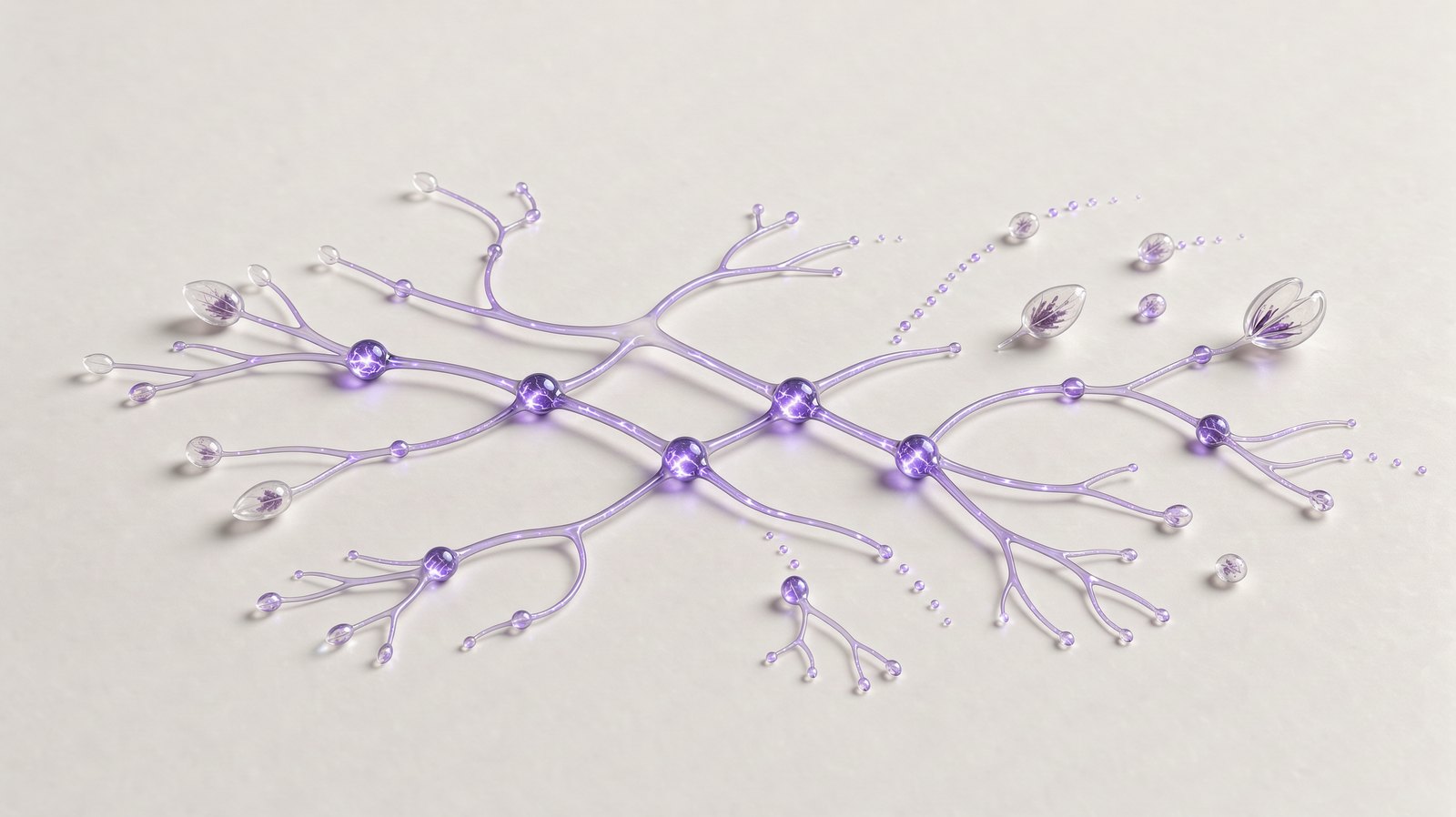
Neuroplasticity is the brain’s ability to form and reorganise connections. Brain-Derived Neurotrophic Factor (BDNF) is a protein that supports neuron growth, survival and synaptic plasticity, and low BDNF levels have been linked in research to depression and chronic stress.
Laboratory work, including a widely cited 2018 study by Ly and colleagues in Cell Reports, found that psychedelics such as psilocin and LSD promoted growth of dendrites and spines in cultured rat neurons and in animal models. Other animal studies suggest psychedelics can influence BDNF-related signalling. This is encouraging, but it is preclinical research. It does not prove the same effect occurs in humans at microdoses.
Mood and focus: what human studies show
- Observational studies of people who microdose, such as work by Polito and Stevenson (2019) and Anderson and colleagues (2019), report improvements in mood, focus and creativity and reductions in self-reported depression and stress.
- Placebo-controlled research tells a more cautious story. A 2021 self-blinding study by Szigeti and colleagues in eLife found that benefits reported by microdosers were matched by those in a placebo group, suggesting expectation plays a major role. Later controlled trials have also produced mixed or modest results.
- Researchers also note possible risks, including anxiety, sleep disruption and open questions about long-term cardiac effects from repeated serotonin 5-HT2B receptor stimulation, though psilocybin has low affinity for that receptor.
The fair summary: promising early signals, strong biological plausibility, but not yet conclusive proof of benefit. Larger, rigorous trials are underway.
Common protocol schedules
- Fadiman protocol: one dose day followed by two rest days (day 1 dose, days 2 and 3 off), repeated for four to eight weeks. The off days let you observe baseline and limit tolerance build-up.
- Stamets stack: four days on, three days off, combining psilocybin with lion’s mane mushroom and niacin. Lion’s mane is studied separately for nerve growth factor, but the combined stack itself has little formal clinical evidence.
Many people also build their own gentler rhythm, such as twice a week. Whatever you choose, plan a break after several weeks.
Integration habits that matter
The word "mindful" is doing real work here. People who report the best experiences tend to pair microdosing with supportive routines:
- Journal daily. Record dose, mood, sleep, focus and anything notable. It helps you see real patterns and not just expectations.
- Protect sleep, movement and nutrition. These influence mood and plasticity on their own.
- Use the clearer headspace deliberately for meditation, therapy work, creative practice or focused study.
- Take scheduled breaks to reassess whether it is helping.
- Stop and seek advice if you feel anxious, overstimulated or unwell.
Who should be cautious
Avoid microdosing, and speak with a doctor first, if you are pregnant, have a personal or family history of psychosis or bipolar disorder, have a heart condition, or take medications such as SSRIs, MAOIs or lithium, which can interact with psilocybin.
Explore our microdose capsules
Pre-measured capsules take the guesswork out of small, repeatable doses, with discreet delivery across Canada.
This article summarises published research for educational purposes and is not medical advice. Psilocybin is a controlled substance in Canada. You must be 19 or older. Consult a qualified healthcare professional before use and know your local laws.